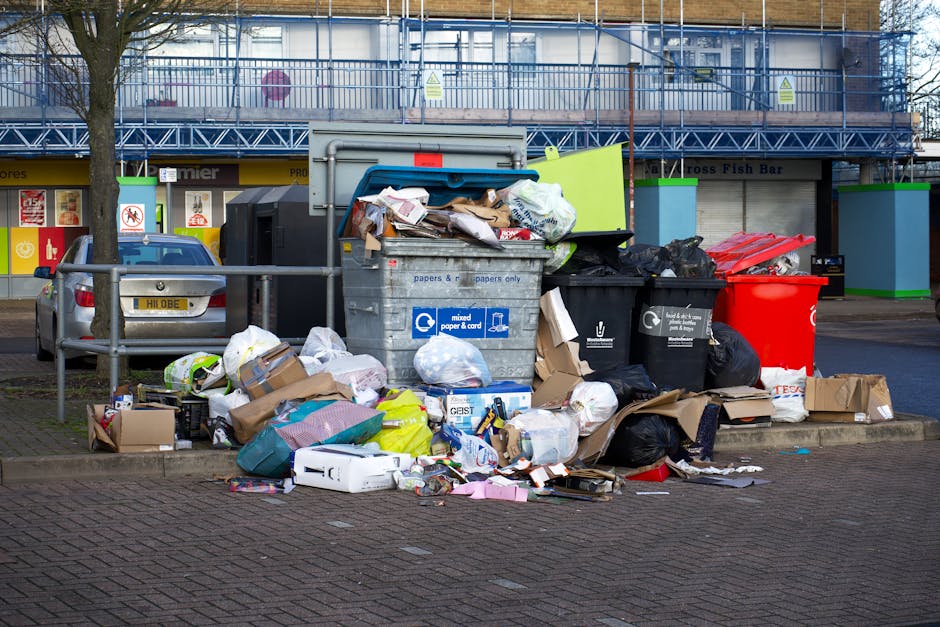
Rubbish collection delays West Kensington common problems
Posted on 18/06/2026
Rubbish collection delays West Kensington common problems: what causes them and how to deal with them
If you have ever put bags out neatly on the right morning, only to find them still sitting there later in the day, you already know how frustrating rubbish collection delays can be. In West Kensington, the problem can feel especially annoying because narrow streets, busy access routes, and mixed domestic-commercial properties all add a bit of friction. This guide looks at the most common rubbish collection delays West Kensington residents and landlords run into, why they happen, and what you can do to reduce the hassle without overcomplicating things.
We will keep this practical. No fluff. Just the kind of advice that helps when the bin is full, the hallway smells a bit off, and you need a sensible plan fast.
Why rubbish collection delays West Kensington common problems Matters
Collection delays do more than inconvenience you for a day. In a place like West Kensington, they can quickly create a chain reaction: bags block a narrow passage, recycling gets mixed with general waste, food waste starts to smell, and neighbours notice. That is not ideal in flats, mansion blocks, mews properties, or small commercial premises where shared space is tight and everyone sees everything.
There is also the practical side. A missed or delayed collection can affect move-outs, refurbishments, tenancy handovers, and business operations. If you are preparing a property for new occupants, or dealing with a sudden clear-out after a delivery, delay can throw the whole schedule off. You end up rescheduling labour, moving bags twice, and, frankly, wasting time you did not have in the first place.
For local households, the issue often feels small at first and then snowballs. For landlords and managing agents, it can turn into a complaint trail. For businesses, it can affect hygiene, presentation, and staff morale. If you want a broader picture of how local waste services fit into the area, it can help to read the local guide to rubbish removal near West Kensington Station and the North End Road rubbish collection guide.
Expert summary: Most rubbish collection delays are not random. They usually come from access, timing, sorting, communication, or volume issues that could have been spotted earlier. The fix is usually simpler than people think.
How rubbish collection delays West Kensington common problems Works
Most delays happen when one or more parts of the collection process break down. Sometimes the waste is ready, but the collection team cannot access it safely. Sometimes the wrong bags are put out. Sometimes the collection window is tight, and traffic or parking conditions make a routine job run late. And sometimes the problem sits with the property itself: basement stairs, shared entrances, coded gates, or a rear access route that looks simple on paper but is awkward in real life.
In practice, the process usually follows a pattern:
- You prepare waste for collection.
- You place it in the agreed location.
- The collector arrives within the expected window, or a delay occurs.
- The delay is either resolved on-site or pushed to a later time.
- If the issue repeats, collection reliability starts to slip.
That sounds basic, but the devil is in the details. For example, a collection may be delayed because bags are too heavy, bins are overfilled, or bulky items need two people instead of one. A delayed commercial pickup may happen because the loading bay is already occupied. A domestic delay may happen because the crew cannot safely park close enough to reach the waste in time. It is all very ordinary, and very annoying.
Some local situations are more common than others. Basement flats and mews properties can create access headaches, which is why many people search for help with rubbish removal access issues in West Kensington basements and mews. Likewise, larger clear-outs can take longer than expected, especially if you are dealing with furniture, white goods, or mixed household waste.
Key Benefits and Practical Advantages
Getting ahead of rubbish delays is not just about neatness. It has real, everyday benefits.
- Cleaner shared spaces: Hallways, bin stores, front steps, and alleyways stay usable.
- Better neighbour relations: Fewer complaints about smells, spills, or bags left out too long.
- Less disruption: You avoid last-minute rearranging, especially during moving day or renovations.
- Lower risk of overflow: When collections run late, waste can quickly exceed available storage.
- Improved presentation: Useful for landlords, letting agents, and businesses who care about first impressions.
There is also a budgeting benefit that people overlook. When waste is handled on time, you are less likely to pay extra for emergency clearances, re-visits, or extra labour. If you want to compare structured service options before things become urgent, the services overview and pricing and quotes pages are useful places to start.
To be fair, nobody gets excited about bin logistics. But a smooth collection day can make a property feel calmer almost instantly. You notice it when it works.
Who This Is For and When It Makes Sense
This topic matters to more people than you might think. It is not only for households with too many black bags by the back door.
- Residents in flats: Especially where shared bin areas and strict collection times apply.
- Landlords and managing agents: Useful for avoiding complaints and keeping communal areas tidy.
- Homeowners renovating: Delays become more painful when builders are waiting on a clear workspace.
- Local businesses: Cafes, offices, salons, and small shops need dependable waste movement.
- People clearing a property: Move-outs, probate, downsizing, and end-of-tenancy clearances are all time-sensitive.
If your waste is mostly domestic, a regular service may be enough. If you are dealing with furniture, appliances, or mixed bulky items, a more flexible collection may suit you better. For example, those planning a clear-out after a tenancy change may find the house clearance service more appropriate than trying to manage every item through standard bins. The same is true for heavy items and awkward pieces, which often need a dedicated furniture removal approach.
If you are unsure whether your issue is a simple delay or something bigger, think about frequency. One late collection can happen. Repeated late collections usually mean the setup needs adjusting.
Step-by-Step Guidance
Here is a practical way to reduce delays and keep waste moving properly. Nothing fancy, just the kind of process that actually helps.
- Check the collection day and time window. Sounds obvious, but missed timing is still one of the most common causes of frustration. If bags go out too late, they may be missed; too early, and they can block walkways.
- Separate waste properly. Recyclables, food waste, general rubbish, and bulky items should not be mixed unless your chosen collection method allows it.
- Keep access routes clear. Doors, side passages, shared gates, and stairwells should be easy to use. A couple of boxes left in the wrong place can slow everything down.
- Reduce item weight and bulk where possible. Split boxes down, flatten packaging, and avoid overfilling sacks.
- Label special items clearly. If you are putting out white goods, garden waste, or builders' waste, make that obvious so nobody has to guess what they are looking at.
- Tell the collector about access issues in advance. Basement steps, parking limitations, coded entry, and rear-loading problems are better handled before the van arrives.
- Follow up quickly if a collection is missed. The sooner you report it, the easier it is to get a new slot or alternative plan.
One small but very real tip: take a quick photo of what was left out and where it was placed. It is not about being dramatic. It just makes follow-up easier if anyone later says, "We could not see it."
Expert Tips for Better Results
Once you understand the basics, a few small habits can make a surprisingly big difference.
- Use one designated holding area: Especially in shared buildings, waste gets lost when bags are spread across different corners.
- Match the service to the waste type: Mixed household rubbish is one thing; heavy builders' debris is another. If you are renovating, look at builders' waste removal in West Kensington rather than forcing everything into a general setup.
- Plan for weather: Rain can make bags slippery and access routes messy, which sounds minor until it is 7.30 in the morning and someone has to haul a sack down wet steps.
- Think in terms of load size, not just bag count: A few bulky items can create more delay than a dozen small sacks.
- Keep a waste diary for recurring problems: If delays keep happening, note date, type of waste, access condition, and what time it was put out.
That last one is a bit unglamorous, I know. But it helps spot patterns quickly. Maybe collections go wrong every time a delivery truck blocks the road. Maybe it is always after a particular building changeover. Patterns matter.
If sustainability is part of your decision-making, you may also want to review the company's approach to reuse and recovery through its recycling and sustainability information. It is a sensible way to see whether items are being handled responsibly rather than just moved out of sight.

Common Mistakes to Avoid
These are the mistakes that tend to create delays in the first place. Some are obvious. Some are the sort that only become obvious after a bad Tuesday.
- Leaving everything to the last minute: If the team arrives and the bags are not ready, the job can slip or need rescheduling.
- Overfilling sacks and bins: Heavy bags split. Split bags create mess. Mess creates time loss.
- Blocking access with parked bikes, prams, boxes, or deliveries: Little things become big things when space is tight.
- Assuming all waste can go together: White goods, builders' waste, furniture, and domestic rubbish often need different handling.
- Not checking what the service actually includes: This is where unexpected charges and delays often start.
A particularly common issue is missing the difference between a collection delay and a service mismatch. If you booked a standard domestic collection but actually need bulky item removal, the problem may not be the arrival time at all. It may be the wrong service for the load. For appliance-heavy clearances, a dedicated white goods and appliance disposal option can save a lot of back-and-forth.
And yes, people do sometimes put out waste "just near" the agreed point and then wonder why it was not collected. We have all seen a bin that was technically close enough, except it really was not.
Tools, Resources and Recommendations
You do not need complicated software or an entire operations team to manage collection problems. A few simple tools and good habits are enough.
| Tool or resource | What it helps with | Best for |
|---|---|---|
| Simple calendar reminders | Stops missed collection days and last-minute panic | Homes, flats, small businesses |
| Photo record of waste placement | Shows where items were left and what was ready | Missed or disputed collections |
| Access checklist | Confirms gates, steps, parking, and shared areas are clear | Basements, mews, commercial premises |
| Quote comparison notes | Helps avoid hidden extras and service mismatch | One-off clearances and bulky loads |
| Waste type sorting labels | Prevents mixing different waste streams | Renovations and property clear-outs |
If you are comparing providers, read the small print carefully. A useful place to start is the guide to hidden fees in West Kensington rubbish clearance. It is one of those reads that can save you money later, which is always nice.
For properties with tougher access or a more complicated layout, the access issues guide for West Kensington basements and mews is especially useful. It helps you think through practical constraints before anyone turns up with a van and a sigh.
Law, Compliance, Standards, or Best Practice
Waste handling in the UK is not something to treat casually. Even for everyday household clearances, best practice matters. You want waste moved by a properly run service, stored safely before collection, and handled in a way that avoids fly-tipping, contamination, or unsafe lifting.
For commercial and mixed-use premises, the stakes are higher. Businesses often need to be careful about how waste is segregated, stored, and collected. That includes keeping shared areas tidy, making sure waste does not create hazards, and ensuring the company you use operates responsibly. If you are working with a provider, checking their waste carrier licence and compliance information is a sensible step.
Safety also matters during the collection itself. Heavy items should be lifted properly. Sharp or broken materials need care. Wet bags, awkward stairways, and tight hallways all increase the chance of an accident if the job is rushed. You can read more about general expectations on the insurance and safety page.
For transparency, customers should also expect clear pricing, secure payment processes, and straightforward terms. Those are not extras; they are basic signs that a service is run properly. If you like to check the details before you book, the company's payment and security and terms and conditions pages can help you understand what to expect.
Best practice, in plain English, means this: clear communication, safe access, the right service for the waste type, and no surprises. Simple enough, but it works.
Options, Methods, or Comparison Table
When rubbish collection is delayed, people usually have three broad options. Each one suits a different situation.
| Option | Best when | Pros | Limitations |
|---|---|---|---|
| Wait for the next scheduled collection | The delay is minor and storage is still manageable | No extra booking needed; low effort | Can cause smell, overflow, or shared-space issues |
| Rebook a missed or incomplete collection | The waste was ready but not taken | Often the most direct fix | Depends on availability and issue resolution |
| Arrange a dedicated clearance | You have bulky, mixed, or urgent waste | Faster, more flexible, better for awkward loads | Usually more expensive than routine collection |
For a home clear-out, a dedicated collection can be the easiest route. For regular domestic waste, a standard arrangement is usually enough. For businesses, a planned commercial setup often works best. If that is your world, the commercial waste removal page is worth a look.
There is no single best option for every address. The right choice depends on space, timing, waste type, and how quickly you need the area clear. Not glamorous, but practical.
Case Study or Real-World Example
A West Kensington flat-share on a busy road had a recurring issue with delayed collections. The residents were putting bags out on time, but the crew often could not reach them easily because the shared entrance was blocked by delivery parcels and a pushchair. On one occasion, two bags were left just inside the gate because the hallway was too cramped to move them out safely.
At first, everyone blamed the collection window. Understandable, really. But once the household agreed on one clear holding point, flattened packaging before collection day, and kept the access route clear by 7 a.m., the problem improved almost immediately. They also realised one of their monthly clear-outs included a few items that belonged in furniture removal rather than regular waste. That simple split made the process smoother.
It was not magic. Just better organisation.
A similar pattern shows up with larger property changes. During moves and refurbishments, waste often piles up faster than people expect. If you are planning a sale, let a clear-out sit too long, and everything gets harder. That is one reason property-related timing matters, especially in a district where turnaround days can be tight. For broader context, the smart real estate moves Kensington edition article offers a useful angle on planning ahead.
And if you are in the middle of a moving window, it can also help to read the Kensington property transactions explained guide for a more rounded view of the sort of timing pressures people face.
Practical Checklist
Use this quick checklist before your next collection day. It is simple, but it catches a lot of avoidable issues.
- Have you confirmed the collection date and time window?
- Are all bags closed properly and not overfilled?
- Is recycling separated from general waste?
- Have you moved boxes, bikes, prams, and delivery items out of the way?
- Are bulky items booked under the correct service type?
- Have you warned anyone else in the property not to block access?
- Is the route from the waste area to the vehicle clear?
- Do you have a photo or note of what was prepared, just in case?
- Is there enough room for waste to wait safely if the crew arrives later than expected?
- Do you know who to contact if the collection is missed?
If you can tick most of those off, you are in a much better position than many households. Small effort, big payoff. Honestly, that is often how rubbish management works.
Get a free quote today and see how much you can save.
Conclusion
Rubbish collection delays in West Kensington are usually caused by a handful of practical issues: access, timing, sorting, service mismatch, or simple overcrowding of shared spaces. Once you recognise the pattern, the problem becomes much easier to manage. You do not need to overthink it. You need a clear place for waste, the right collection method, and a bit of planning before collection day.
For homes, that may mean keeping the hallway clear and sticking to the schedule. For landlords and businesses, it may mean using a more structured waste solution and checking compliance details carefully. Either way, the goal is the same: less mess, fewer delays, and a calmer property overall.
And if today feels like one of those days where the bags have won, take a breath. It usually gets easier once the system is sorted.