North End Road rubbish collection guide West Kensington
Posted on 07/05/2026
If you live, work, or manage a property near North End Road, rubbish has a habit of piling up at exactly the wrong moment. One minute it is a spare sofa, a few broken boxes, or a bathroom strip-out; the next, the hallway feels smaller, the back garden looks tired, and you just want the whole lot gone. This North End Road rubbish collection guide West Kensington is here to make that process clearer, safer, and less stressful.
Below, you will find a practical breakdown of how rubbish collection works in this part of West Kensington, what to expect from domestic and commercial clearances, how to avoid common mistakes, and how to choose a service that is properly licensed and easy to deal with. We will also touch on sustainability, compliance, and the little details that matter more than people think. Truth be told, that is often where the difference is made.
For readers who want a broader view of local services, our services overview is a useful starting point, especially if your waste includes mixed household items, bulky furniture, or trade debris.
![A street scene showing a sanitation worker standing beside a large red rubbish collection vehicle with the back open, revealing the internal mechanical components and loading mechanism. The worker, wearing a yellow reflective vest and dark trousers, appears to be managing or inspecting waste disposal, with a black trash bag placed on a small metal platform attached to the vehicle. The surrounding environment includes a sidewalk with a patch of grass featuring a blue container, and a background with trees, power lines, and a commercial building or shop partially visible on the right side. The scene is set during daylight hours with natural lighting and an overcast sky, emphasizing the practical aspect of private waste collection services distinct from municipal rubbish disposal. The composition highlights the process of on-site rubbish handling, illustrating the type of equipment used in independent waste removal activities, relevant to the scope of [PAGE_TITLE] and the broader context of alternative waste management solutions.](/pub/blogphoto/north-end-road-rubbish-collection-guide-west-kensington1.jpg)
Why North End Road rubbish collection guide West Kensington Matters
North End Road sits in a busy, mixed-use part of West Kensington, where residential flats, maisonettes, shops, cafes, offices, and rented homes all sit close together. That makes rubbish collection more than a neat-up job. It becomes a question of access, timing, neighbours, safety, and how quickly clutter can start affecting daily life.
A missed collection day, a bulky item left in a shared hallway, or a stack of renovation waste on a narrow pavement can create immediate friction. The smell may start first. Then the visual clutter. Then complaints. If you have ever tried manoeuvring a wardrobe down a staircase while someone's shopping trolley is trying to get past, you will know what I mean. It is not exactly elegant.
This guide matters because local rubbish removal is not just about throwing things away. It is about choosing the right method for the waste type, making sure items are handled legally, and avoiding the kind of last-minute scramble that turns a simple job into a full afternoon. If you are preparing a move, a refurbishment, a rental turnaround, or even just a big seasonal clear-out, a bit of planning saves a lot of grief.
It also matters from a sustainability point of view. Sorting what can be reused, recycled, or separately handled is one of the easiest ways to reduce avoidable waste. Our recycling and sustainability approach explains the sort of thinking that should sit behind any decent clearance service.
How North End Road rubbish collection guide West Kensington Works
At its simplest, rubbish collection in this area usually follows one of three routes: council collection, private rubbish removal, or a specialist service for a particular waste stream. The best choice depends on what you need to clear, how quickly it needs doing, and whether the items are bulky, heavy, awkward, or regulated.
1. Council-style collection is often suitable for standard household waste, but it can be limited by collection dates, item type, and quantity. It is practical for smaller, routine disposal jobs.
2. Private rubbish collection is often the better fit for bulky items, mixed loads, same-day requirements, and properties where moving waste to the kerb is difficult. This is where a local team can collect from inside the property, which is a big relief in a block of flats or a shared house.
3. Specialist disposal is used for particular items such as appliances, builders' rubble, garden waste, or office clearances. For example, a fridge, mattress, and old dining table do not always travel well together in a general rubbish bag. They need the right handling, and in some cases the right destination for recycling or treatment.
In practice, a good collection service will usually ask you for a description or photo of the waste, the collection address, access details, and timing. That sounds obvious, but it helps avoid surprises. Narrow stairs, basement access, resident parking, or a locked courtyard can change how the job is done.
If you are comparing broader options, the page on domestic waste collection in West Kensington is useful for typical household scenarios, while commercial waste removal in West Kensington is better suited to shops, offices, and trade premises.
Key Benefits and Practical Advantages
There are some obvious benefits to using a local rubbish collection service, but a few quieter advantages are worth spelling out too.
- Speed: You do not need to wait around for the next fixed council slot if your job is urgent.
- Less lifting: A collection team can remove bulky items from where they sit, which matters in upper-floor flats and tight stairwells.
- Cleaner finish: Clearing waste in one visit avoids the half-finished look that can linger for days.
- Better sorting: Reusable and recyclable items can often be separated from residual waste.
- Less disruption: A coordinated collection can reduce noise, clutter, and neighbour complaints.
- Peace of mind: A licensed operator should be able to explain where your waste goes and how it is handled.
There is also a practical business benefit. If you run a rental, manage a property sale, or prepare a unit for new occupants, time is money. A quick, well-organised rubbish clearance can make a flat presentable again far faster than doing it piecemeal.
For landlords and agents, this often ties into wider moves around property presentation and turnover. If you are dealing with a sale or purchase nearby, you may also find our article on Kensington property transactions explained useful in understanding the broader property cycle.
Who This Is For and When It Makes Sense
This guide is for anyone in or around North End Road who needs rubbish removed without fuss. That includes homeowners, tenants, landlords, managing agents, shop owners, office managers, builders, decorators, and people clearing out a property after a move or refurbishment.
It tends to make sense in these situations:
- You have bulky items that will not fit in normal bins.
- You need to clear waste quickly before a handover, inspection, or delivery.
- You are dealing with mixed waste after decorating or light renovation.
- You want help lifting items safely from inside the property.
- You are not sure what can be recycled and want a cleaner, greener solution.
- You have awkward waste from a garden, shed, loft, or storage room.
A common example is a flat refresh. A tenant moves out, leaves behind a mattress, a broken desk, and a few bags of mixed junk. The room is otherwise clean, but the waste blocks the next stage. Another example: a small office near North End Road upgrades furniture and needs old chairs, packaging, and a couple of filing cabinets gone before Monday morning. In both cases, a structured collection is the sensible move.
If the clear-out is large or sentimental - and yes, house clearances can be oddly emotional - the house clearance service page gives a clearer sense of how bigger residential jobs are usually managed.
Step-by-Step Guidance
Here is the cleanest way to approach rubbish collection in North End Road and the wider West Kensington area.
- Identify the waste type. Separate household rubbish, furniture, electricals, garden cuttings, and builders' waste if possible. A mixed pile is not a disaster, but clearer information helps.
- Decide what must go now. Sometimes you only need a handful of items removed. Other times the job is a full clear-out. Be honest about the scale; it saves time later.
- Check access. Note stairs, lifts, parking restrictions, loading points, and whether waste needs to be carried through common areas.
- Gather photos. A few clear pictures usually make quoting much easier, and they help the collection team plan the right vehicle and crew size.
- Ask about licensing and disposal. Any reputable operator should be comfortable explaining compliance and how waste is transferred and processed.
- Choose a suitable time slot. Think about neighbours, traffic, and building access. Early mornings can be convenient, but not every building likes them.
- Prepare the items if requested. Put smaller pieces together, remove personal belongings, and keep any items you want to retain clearly separate.
- Confirm the final scope. Before collection begins, make sure both sides understand what is included.
That is the bones of it. Simple, really. The tricky part is usually not the waste itself; it is the access, timing, and all the small things that pile up around it.
For larger or heavier items such as sofas, wardrobes, or settees, our furniture removal in West Kensington page may help you think through handling and removal options. For kitchen upgrades or broken appliances, see white goods and appliance disposal.
Expert Tips for Better Results
After plenty of clearances, a few habits consistently make things smoother. Not glamorous, but useful.
- Take a quick inventory first. It sounds dull, but writing down what needs removing keeps the job focused.
- Group similar items together. Even a rough separation between furniture, bags, and electricals helps.
- Leave a clear walkway. A clear route saves time and reduces the risk of damage.
- Protect floors and walls where possible. A blanket or sheet can prevent scuffs during removal.
- Be realistic about volume. A few large items can fill a vehicle faster than people expect.
- Ask where the waste goes. A good operator should be happy to discuss recycling, reuse, and lawful disposal.
A small but important tip: if you are clearing a property before photography, marketing, or a move, do the rubbish removal before any deep cleaning. Otherwise you end up cleaning twice. Nobody enjoys that, least of all on a wet Tuesday when the bins are already full and the hallway smells faintly of old cardboard.
For jobs tied to refurbishment or construction, builders waste removal in West Kensington is the more relevant service route because rubble, timber offcuts, and packaging can need different handling from domestic junk.
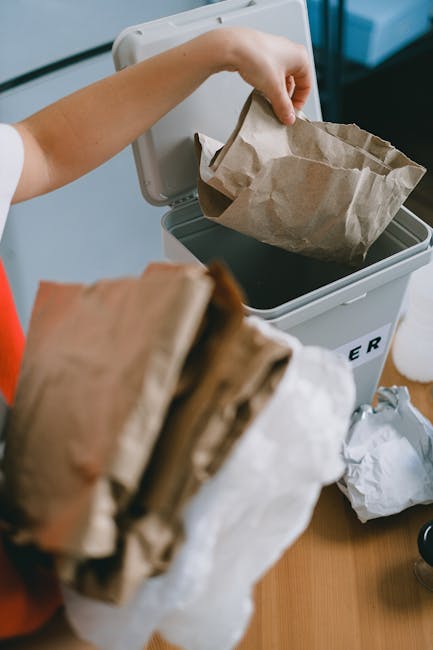
Common Mistakes to Avoid
The most common mistakes are usually small ones, but they create disproportionate hassle.
- Leaving everything until the last minute. It leads to rushed decisions and higher stress.
- Not checking what can be collected. Some waste types need special handling.
- Forgetting access details. A van cannot magically fit through a blocked driveway.
- Mixing hazardous and non-hazardous waste. That can complicate the job and may create compliance issues.
- Choosing on price alone. Cheap is not a strategy if the waste is handled poorly.
- Assuming every service is the same. They are not. Some are more suited to domestic clearances, others to commercial or specialist jobs.
Another mistake is not thinking about the aftermath. If you remove the waste but leave behind loose screws, dust, and packaging, the room still feels unfinished. It is a tiny thing, yet it can make a clear-out seem more chaotic than it really was.
Tools, Resources and Recommendations
You do not need much to organise rubbish collection well, but a few tools make the process easier.
- Phone camera: Take clear photos of the waste and access route.
- Measuring tape: Useful for large furniture and tight hallways.
- Notepad or notes app: Keep a simple list of items to remove.
- Labels or tape: Mark what stays and what goes if you are sorting in stages.
- Gloves and basic PPE: Handy for safe handling of sharp or dusty items.
For readers who want to understand why compliance matters, our waste carrier licence and compliance page is a sensible reference. It explains why a legitimate waste carrier should be able to demonstrate proper handling, and why that matters to you as the customer.
It is also worth looking at the company's about us page to understand how they work, and the insurance and safety information if you are dealing with a higher-risk clearance or a tight access property.
Law, Compliance, Standards, or Best Practice
Rubbish collection is one of those services where the visible part is only half the story. The unseen part matters just as much.
In the UK, waste should be collected and handled by a legitimate operator, and the customer should be confident that the waste will not simply be dumped somewhere unsuitable. Good practice usually means checking the operator's credentials, confirming how they manage waste transfer, and making sure the type of waste matches the service offered. If you are unsure, ask directly. A proper company should not dodge the question.
For households and businesses alike, a few best-practice points stand out:
- Keep general rubbish separate from electrical items where possible.
- Do not mix chemicals, batteries, or other potentially hazardous items with ordinary waste.
- Retain evidence of the service if you need it for a landlord, agent, building manager, or business record.
- Choose a provider that takes recycling seriously rather than treating it as a marketing line.
If you are a business or landlord, this also connects to duty of care expectations around waste handling. The details vary by situation, so if something feels unclear, it is better to ask than guess. That is not being fussy; it is just sensible.
For companies that want to review terms, payments, or policies before booking, the pages on terms and conditions, payment and security, and privacy policy can help set expectations clearly.
Options, Methods, or Comparison Table
Here is a simple comparison to help you choose the most suitable rubbish collection method for North End Road and nearby West Kensington addresses.
| Method | Best for | Typical strengths | Possible limitations |
|---|---|---|---|
| Council-style collection | Routine household waste and limited bulky items | Convenient for standard disposal needs | May be slower, with date and item restrictions |
| Private rubbish collection | Bulky, mixed, or urgent clearances | Flexible, quick, can collect from inside the property | Cost depends on volume, access, and waste type |
| Specialist removal | Builders' waste, appliances, furniture, garden waste | Better suited to specific materials and larger jobs | Requires more accurate item description |
The right option usually comes down to three questions: how much waste do you have, how fast does it need to go, and how awkward is the access? If two of those are difficult, private collection is often the easiest route. If the load is simple and not urgent, a basic collection option may be enough.
For a more targeted service, you may want to compare garden waste removal if the pile is mainly green waste, or a dedicated commercial waste removal service if you are handling business premises.
Case Study or Real-World Example
A fairly typical North End Road scenario goes like this. A two-bed flat near the road is being prepared for new tenants. The outgoing occupier has left a sofa, a broken bedside cabinet, several bags of mixed clutter, and an old microwave in the kitchen. The stairs are narrow, the building has shared access, and the landlord wants the property cleared before an inventory visit the next day.
In that kind of situation, the best approach is usually a quick photo-based quote, followed by a timed collection when access is easiest. The team clears the furniture first, then the loose waste, then the appliance. The hallway is left tidy, the landlord gets the room back, and the new cleaning team can start straight away. No drama. No pile of junk sitting there for another three days.
What made the job efficient was not just manpower. It was preparation: clear photos, honest descriptions, and a sensible understanding of the access route. That is the part people often skip, then wonder why the day feels messy. To be fair, it is easy to overlook when you are already busy with keys, deposits, or move-out checks.
Practical Checklist
Use this quick checklist before arranging rubbish collection in North End Road or anywhere in West Kensington.
- Have you identified the exact waste type?
- Do you know whether any items need special handling?
- Have you taken clear photos of the load?
- Is access to the property straightforward, or are there stairs/lifts/restrictions?
- Have you separated any items you want to keep?
- Do you know whether the job is domestic, commercial, or mixed?
- Have you checked the provider's licensing and compliance information?
- Do you understand the quote and what is included?
- Have you considered recycling or reuse where possible?
- Is the collection timed to suit neighbours, tenants, staff, or building management?
If you can tick most of those off, you are already ahead of the game. And yes, it really does save time.
Conclusion
North End Road rubbish collection in West Kensington is straightforward once you break it into the right pieces: what needs removing, how quickly it should go, who can safely handle it, and what level of service fits the property. The best outcomes usually come from a little preparation and a provider that is clear about licensing, safety, and disposal standards.
Whether you are clearing a flat, managing a rental turnaround, shifting office waste, or getting rid of bulky items after a refurb, the aim is the same: make the space usable again without creating another problem down the line. Keep the process simple, ask the right questions, and do not be rushed into a vague arrangement. Small bit of planning, big difference.
Get a free quote today and see how much you can save.
If you are comparing service details before booking, take a look at our pricing and quotes page for a clearer idea of how requests are assessed. A clean, calm finish is usually closer than it first feels.
![A street scene showing a sanitation worker standing beside a large red rubbish collection vehicle with the back open, revealing the internal mechanical components and loading mechanism. The worker, wearing a yellow reflective vest and dark trousers, appears to be managing or inspecting waste disposal, with a black trash bag placed on a small metal platform attached to the vehicle. The surrounding environment includes a sidewalk with a patch of grass featuring a blue container, and a background with trees, power lines, and a commercial building or shop partially visible on the right side. The scene is set during daylight hours with natural lighting and an overcast sky, emphasizing the practical aspect of private waste collection services distinct from municipal rubbish disposal. The composition highlights the process of on-site rubbish handling, illustrating the type of equipment used in independent waste removal activities, relevant to the scope of [PAGE_TITLE] and the broader context of alternative waste management solutions.](/pub/blogphoto/north-end-road-rubbish-collection-guide-west-kensington3.jpg)

