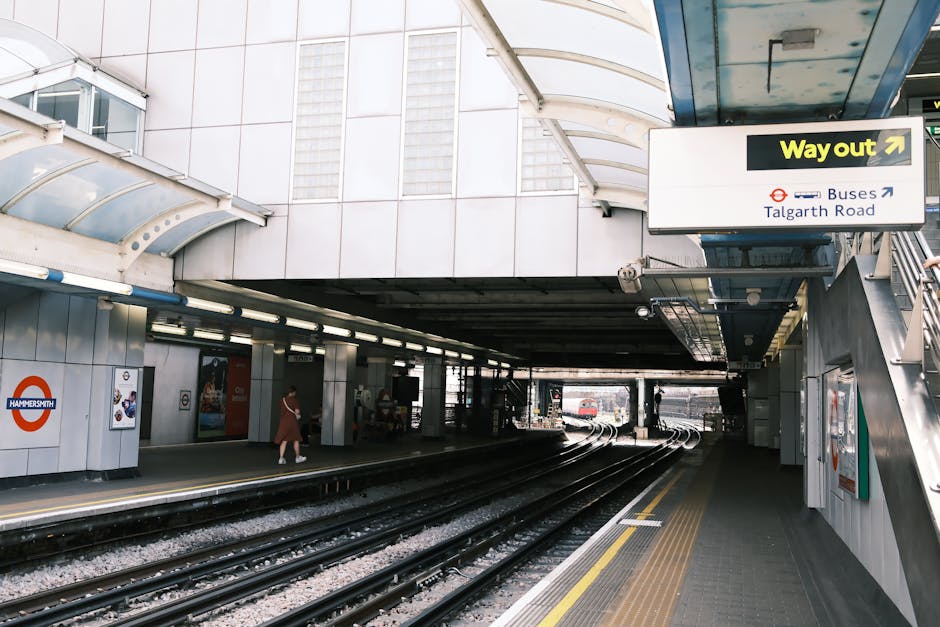
Local guide to rubbish removal near West Kensington Station
Posted on 29/04/2026
If you live, work, or are clearing a property near West Kensington Station, rubbish removal can go from "I'll sort it this weekend" to "why is this still here?" pretty quickly. Flats fill up. Basements get forgotten. Office corners collect broken chairs, boxes, old monitors, and the odd mystery item nobody wants to claim. This local guide to rubbish removal near West Kensington Station is here to make the process feel a lot less messy.
Whether you need a one-off collection, a full flat clearance, builder's waste taken away, or just a reliable way to get rid of bulky items without the hassle, the key is understanding your options before you book. That saves time, reduces stress, and helps you avoid the common traps that catch people out in London. You know the kind of thing: hidden charges, poor access planning, or the dreaded fly-tipping risk.
Below, you'll find a practical, no-nonsense guide to how rubbish removal works around West Kensington, what to expect, what to look for in a provider, and how to keep things compliant and tidy. It's written for real life, not just search engines.
Table of Contents
- Table of contents
- Why rubbish removal near West Kensington Station matters
- How rubbish removal near West Kensington Station works
- Key benefits and practical advantages
- Who this is for and when it makes sense
- Step-by-step guidance
- Expert tips for better results
- Common mistakes to avoid
- Tools, resources and recommendations
- Law, compliance, standards and best practice
- Options, methods and comparison table
- Case study or real-world example
- Practical checklist
- Conclusion
- Frequently Asked Questions
Why rubbish removal near West Kensington Station matters
West Kensington is a busy, compact part of London. That alone changes everything. Streets can be tight, parking is rarely simple, and many properties around the station are flats, conversions, terraces, or mixed-use buildings with awkward access. So rubbish removal here is not just about "taking waste away". It's about doing it efficiently, safely, and without causing headaches for neighbours or building managers.
In a dense area, waste left outside too long can become a nuisance fast. Bags get torn open, bin stores overflow, and bulky items can block shared entrances. If you're dealing with an end-of-tenancy clearance, a renovation, or a sudden office clean-out, local collection becomes more than convenience. It becomes part of keeping the place liveable and presentable.
There's also a trust factor. Not every operator follows proper disposal practices, and honestly, that's where problems start. Choosing a service with clear processes, transparent pricing, and proper waste handling matters more than most people realise. If you want to dig deeper into how responsible operators present themselves, have a look at the company's about us page and its waste carrier licence and compliance information. Those pages tell you a lot about whether a business takes the work seriously.
To be fair, rubbish is one of those things people only think about when it's already in the way. But in West Kensington, that moment arrives quickly.
How rubbish removal near West Kensington Station works
The basic process is straightforward, but the details matter. A local rubbish removal service typically starts with a quote based on the volume, type of waste, access conditions, and how quickly you need it cleared. Some jobs can be priced from photos. Others need a proper site visit or a clearer description, especially if there are heavy items, builder's debris, or mixed waste streams.
Once booked, the team usually arrives in a vehicle suited to the load. They assess what needs removing, confirm the final price if required, and then load everything by hand. That hand-loading part is important. It means items can be removed from inside a flat, a basement, a rear garden, a shop back room, or a third-floor walk-up without you having to drag everything outside first. In a station area with limited kerb space, that can save a lot of awkward manoeuvring. And a few scraped knuckles, let's face it.
After collection, the waste should be sorted and taken to the appropriate facility. Reusable items may be separated, recyclable materials handled properly, and general rubbish disposed of in line with current UK waste practices. If you're comparing service types, the services overview is a useful starting point because it helps you match your job to the right category instead of guessing.
In practical terms, the workflow often looks like this:
- You describe the rubbish and share photos if possible.
- The provider estimates the load and access requirements.
- You receive a quote or price range.
- A collection slot is booked.
- The team removes, sorts, and disposes of the waste responsibly.
If you've ever tried to fit a mattress, broken desk, and half a wardrobe into a car that was never meant for that job, you already know why this matters.
Key benefits and practical advantages
The biggest benefit is simple: less hassle. But there's more to it than that.
- Time saved: No multiple trips to a tip or recycling site.
- Better access handling: Useful for upper-floor flats and buildings with narrow stairwells.
- Cleaner shared spaces: Helpful in communal blocks where rubbish can become a visual mess quickly.
- Reduced risk: Heavy lifting is safer when handled properly.
- Proper disposal: Good providers separate waste and avoid short-cut dumping.
- Flexibility: Useful for domestic, commercial, garden, and builders' waste.
There's also a less obvious advantage: peace of mind. When the job is handled by people who know the local access issues, you don't spend half the day moving things around or worrying whether they'll fit through the doorway. That matters more than people think. A calm, tidy clearance day is worth a lot.
For sustainability-minded readers, it's worth checking how a provider approaches sorting and recovery. The recycling and sustainability page is a good example of the kind of information that signals a more responsible approach. If you're choosing between two otherwise similar services, that can easily tip the scales.
Expert summary: The best rubbish removal service near West Kensington Station is usually the one that combines local access knowledge, clear pricing, compliant disposal, and realistic scheduling. Speed matters, but so does how the waste is handled after collection.
Who this is for and when it makes sense
This service suits a wider range of people than you might expect. It's not only for major clearances or building sites. In fact, some of the most common jobs are the smaller, annoying ones that keep getting pushed back.
You may need rubbish removal near West Kensington Station if you are:
- moving out of a flat and need clutter cleared fast
- preparing a rental property for new tenants
- clearing a loft, shed, storage cupboard, or basement
- renovating a kitchen, bathroom, or office space
- getting rid of bulky items like sofas, wardrobes, or mattresses
- disposing of garden cuttings after a tidy-up
- removing old appliances that are no longer safe or useful
- handling trade waste after a small building job
It also makes sense for landlords, estate agents, and local businesses. A shop refit in West Kensington, for example, can leave behind packaging, broken fixtures, and display units that are awkward to store. In those situations, a commercial waste removal service in West Kensington can be a much cleaner solution than trying to manage everything in-house.
Sometimes the decision is not about scale, either. It's about timing. If you need something gone before a viewing, handover, or inspection, speed can be the whole story.
Step-by-step guidance
If you want the process to run smoothly, a little preparation goes a long way. Here's a simple approach that works well in practice.
1. Sort what needs to go
Walk through the space and separate waste into rough categories: general rubbish, recyclables, furniture, white goods, garden waste, and building debris. You don't need to make it perfect. Just giving the provider a clearer picture helps with pricing and planning.
2. Note the access points
Think about stairs, lifts, gates, parking, and any awkward turns. West Kensington properties often have tight entrances or shared access routes. If there's a narrow hallway or a basement step, mention it early. That small detail can prevent delays on the day.
3. Take a few photos
Photos of the items and the access route make quoting much easier. Good pictures save back-and-forth and reduce the chance of misunderstandings. A phone photo in daylight is usually enough.
4. Ask the right questions
Before you book, ask:
- What is included in the quote?
- Do you charge extra for stairs or heavy items?
- How do you dispose of mixed waste?
- Are there items you cannot take?
- Can you provide proof of licensing or insurance if needed?
5. Prepare the space
If possible, move smaller items together so the team can load efficiently. Keep pathways clear. If you're in a shared building, tell neighbours or the building manager what's happening. That helps avoid tension later, which is sometimes half the battle.
6. Confirm the timing
In a busy area, timing matters. Early slots can be easier for access and parking. If you're near the station, try to avoid peak congestion where possible. A 20-minute delay can become a much bigger problem if the road is tight and everyone is circling for space.
7. Check the disposal result
After the collection, keep your invoice and any relevant paperwork. If the job involved commercial waste, or if you want a paper trail for your records, this is worth doing. Not glamorous, no, but useful.
![A middle-aged woman with short, dark hair is seen disposing of trash into a public metal rubbish bin on a paved outdoor area. She is wearing a black T-shirt with white and grey text and dark pants. The woman is holding a large white garbage bag in her left hand, which appears to be filled with waste, while her right hand is reaching into the open-top stainless steel bin. The environment features a green, leafy background with trees and a stone balustrade along the walkway, suggesting a park or urban outdoor space. The scene is well-lit, with natural light illuminating the area and casting subtle shadows. This setup indicates a private or community-based waste collection approach consistent with rubbish removal services like those offered by [COMPANY_NAME], emphasizing on-site or independent rubbish disposal solutions often used for local clearance tasks, and highlights the practical aspect of managing rubbish outside a typical household setting.](/pub/blogphoto/local-guide-to-rubbish-removal-near-west-kensington-station2.jpg)
Expert tips for better results
Here are a few practical things that make a noticeable difference, based on the jobs people usually get wrong the first time.
- Be specific about waste type. "A few items" is not very helpful if one of them is a fridge freezer and another is a broken desk.
- Separate hazardous or restricted items early. Paint, chemicals, gas canisters, and certain electrical items often need special handling.
- Use the property layout to your advantage. If the rear access is easier than the front, mention that. It sounds obvious, but people forget.
- Book before the deadline, not after it. If you need clearance ahead of an inspection or move-out, leave a small buffer. Things always take longer than planned. Always.
- Think in categories, not just bags. A pile of mixed rubbish can be harder to price than one neatly described load.
One useful habit is to treat rubbish removal like any other local service: ask what happens next, not just what happens on arrival. Disposal method, recycling approach, and documentation all matter. That's especially true if the job involves business premises, rental turnover, or property work near the station where access and timing are tight.
If you're removing bulky household furniture, the dedicated furniture removal service can be a better fit than a general collection, especially for sofas, wardrobes, or heavy shelving. For appliances, see the specific white goods and appliance disposal option, since fridges, cookers, and washing machines can involve extra handling considerations.
And one small human note: if you're already tired from moving, renovating, or clearing out a family home, don't try to do every part yourself. That "I'll just manage" instinct has ruined many a Saturday.
Common mistakes to avoid
Most problems come from rushing the first decision. The good news is that the mistakes are predictable, and therefore avoidable.
- Choosing only by price. The cheapest quote can become expensive if access, load type, or disposal are not clearly covered.
- Not checking licensing or compliance. If waste is fly-tipped by an unlicensed operator, the original owner may still face questions.
- Underestimating access issues. Narrow stairs, no lift, controlled parking, and shared entrances all matter.
- Mixing everything together. It can make sorting slower and more expensive.
- Leaving out restricted items. Batteries, paint, chemicals, and certain electronics should be flagged early.
- Forgetting the building rules. Some blocks have collection windows or loading restrictions.
A very common one: people assume "rubbish removal" and "skip hire" are basically the same thing. They are not. One suits a self-managed, slower project; the other suits fast, hands-off removal where someone else does the lifting. If you're unsure, the pricing and quotes page can help you understand how services are usually structured.
Truth be told, a lot of bad experiences come from unclear expectations, not bad intentions. Clear the brief first and you'll avoid most drama.
Tools, resources and recommendations
You do not need specialist equipment for a basic clearance, but a few tools and resources can make the job easier and safer.
- Phone camera: Use it to photograph the waste and access route.
- Notepad or phone notes: List items that need special handling.
- Tape measure: Helpful for bulky furniture or tight hallways.
- Gloves and sturdy shoes: Useful if you are moving smaller items before collection.
- Building access details: Intercom codes, entry instructions, and parking notes save time.
On the service side, a few website resources are worth reading if you want to make a more informed choice. The insurance and safety page is helpful if you're concerned about handling heavy items or working in a shared building. The payment and security page is useful if you want reassurance about how bookings and payments are handled. And if you're checking broader customer information, the company's services overview keeps things easy to compare.
For people dealing with a flat sale or move, related local reading can also help with timing and planning. If your clearance is part of a move, the blog post on Kensington property transactions explained may give some useful context. It's not about rubbish directly, but it does help when property timelines start overlapping and everything feels slightly rushed.
Law, compliance, standards and best practice
Rubbish removal in the UK sits within a broader duty of care framework. You do not need to memorise legislation to book a clearance, but you should understand the basics: waste should be handled by a legitimate carrier, transferred to an appropriate facility, and disposed of responsibly. If a provider is vague about this, that's a red flag.
For domestic customers, the practical advice is simple. Use a provider that can demonstrate they are operating properly. For business customers, it becomes even more important to keep records, especially for commercial or trade waste. That's one reason the waste carrier licence and compliance page matters so much. It speaks directly to the trust and legal side of the service.
Best practice usually includes:
- clear identification of the waste type
- safe loading and transport
- appropriate handling of recyclable and restricted items
- transparent pricing terms
- good insurance and safety procedures
- proper paperwork where needed
If you are a landlord, letting agent, or facilities manager, those standards should matter a great deal. And if you are not sure whether a certain item can be taken, ask first. That's the safest route, every time.
There are also broader ethical expectations around waste services, from responsible labour practices to recycling awareness. For readers who care about the bigger picture, the site's modern slavery statement and sustainability pages show the kind of policy framework a serious operator should be willing to publish.
Options, methods and comparison table
Different jobs call for different solutions. If you pick the wrong one, you usually end up paying in time, effort, or both.
| Method | Best for | Pros | Watch-outs |
|---|---|---|---|
| Man and van rubbish removal | Quick clearances, mixed household waste, bulky items | Fast, flexible, little effort from you | Price can vary with load size and access |
| Skip hire | Longer DIY projects, staged renovations, repeat loading | Useful if you are clearing over several days | Needs space, permits may be required, you do the loading |
| Specialist disposal | Appliances, furniture, builders' waste, garden waste | Better handling of specific waste types | Not ideal for broad mixed loads unless arranged carefully |
| Local authority collection | Limited bulky waste scenarios | Can be suitable for a small number of items | Often slower and less flexible for urgent jobs |
For a lot of West Kensington jobs, a flexible collection service is the most practical option because access is the main challenge, not just the volume. If you're clearing a bedroom from a top-floor flat or removing old office furniture after a refit, a hands-on collection beats wrestling with a skip you cannot easily place outside.
Case study or real-world example
A typical local scenario goes like this. A tenant moves out of a flat a short walk from West Kensington Station and leaves behind a mix of furniture, bags of unwanted clothing, a dismantled bed frame, and a broken coffee table. The landlord wants the space turned around quickly for new photos and a deep clean. Not a huge job, but awkward enough.
Instead of arranging a skip, the owner sends photos, checks the access details, and books a collection for an early morning slot. The team arrives before the street gets busy, carries items down the stairs without disturbing neighbours too much, and clears the lot in one visit. The waste is then sorted for disposal and recycling where appropriate.
What made the difference? Three things:
- the load was described clearly
- the access route was mentioned upfront
- the service matched the real job, not just the broad category of "rubbish"
It sounds simple, and in fairness, it is. But simple only works when the details are right.
Practical checklist
Use this before booking rubbish removal near West Kensington Station.
- Identify exactly what needs removing
- Separate furniture, general waste, garden waste, and appliances
- Take photos of the items and access points
- Check for stairs, lifts, restricted parking, or narrow hallways
- Ask whether the quote includes loading and disposal
- Confirm whether any items need specialist handling
- Ask about licensing, insurance, and disposal practices
- Agree a collection time that suits building access and neighbours
- Keep booking and invoice details for your records
- Make sure pathways are clear on the day
If you want a more detailed service match, it may help to compare specific categories such as domestic waste collection, builders waste removal, or garden waste removal. The right choice depends on what you actually have on site, not what sounds simplest at first glance.
Conclusion
Rubbish removal near West Kensington Station works best when it is planned around the realities of local living: tight access, shared buildings, limited parking, and the need to get things done without causing disruption. Once you understand how the service works, it becomes much easier to choose the right option, ask better questions, and avoid the common mistakes that turn a simple clearance into a stressful one.
For homeowners, landlords, businesses, and anyone mid-move, the main idea is the same: clear information leads to a smoother collection. A few photos, an honest description of the load, and a provider that understands local conditions can make all the difference. Small effort up front, big relief later.
Get a free quote today and see how much you can save.
And if today's the day you finally deal with the pile by the door, good. That's one less thing hanging over you. Sometimes that little bit of space is enough to make the whole room feel lighter.