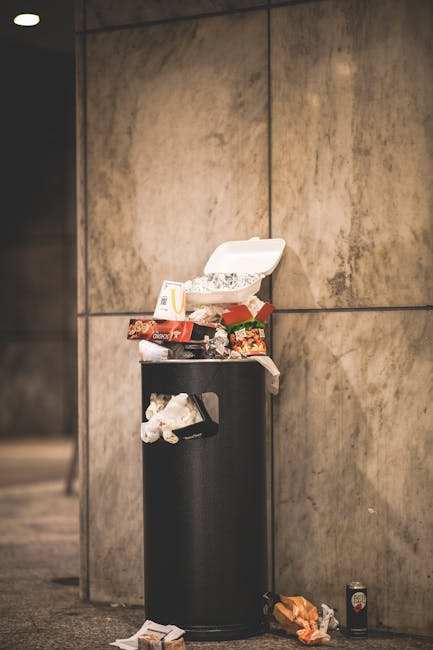
Lillie Road estate rubbish disposal guide West Kensington
Posted on 15/05/2026

Lillie Road Estate Rubbish Disposal Guide West Kensington
If you live, work, or manage a flat around Lillie Road, rubbish disposal can feel oddly complicated. One minute it's a sofa in a hallway, the next it's builders' rubble by the stairwell, and suddenly everyone's asking who can move what, when, and how fast. This Lillie Road estate rubbish disposal guide West Kensington is here to make that process much clearer.
Whether you're clearing a flat after a move, sorting landlord waste between tenancies, or dealing with bulky items after a refurbishment, the goal is the same: remove waste quickly, avoid disruption, and handle everything properly. In a busy estate, that means thinking about access, neighbours, compliance, recycling, and the simple fact that not everything can be left outside and forgotten about. Truth be told, that approach tends to cause more problems than it solves.
Below, you'll find a practical guide to how estate rubbish disposal works in West Kensington, what to watch out for, and how to choose the right disposal method for the job. You'll also find useful links to related services and support pages, including our services overview, pricing and quotes information, and the page on waste carrier licence and compliance, which is worth checking if you want peace of mind.
- Why it matters on a Lillie Road estate
- How the process works
- Key benefits and practical advantages
- Who this guide is for
- Step-by-step guidance
- Expert tips for better results
- Common mistakes to avoid
- Tools, resources and recommendations
- Law, compliance and best practice
- Options and comparison table
- Real-world example
- Practical checklist
- Conclusion
- Frequently asked questions
Why Lillie Road Estate Rubbish Disposal Guide West Kensington Matters
Estate rubbish disposal is not just about getting rid of waste. On a road like Lillie Road, where buildings often have shared entrances, limited loading space, and close neighbours, poor disposal planning can create a ripple effect. Bags left in the wrong place attract attention. Bulky waste left too long can block access. And if waste isn't separated properly, you may end up paying more than you need to.
There's also a trust element. Estate managers, landlords, and tenants all want to know that waste is handled responsibly, especially when the job includes mixed items such as furniture, appliances, packaging, and renovation debris. A clear process reduces complaints and helps everyone feel the place is being looked after, not just emptied.
To be fair, rubbish removal can sound like the least glamorous part of running a property. But in practice, it affects presentation, safety, and even how smoothly a move or refurbishment goes. For anyone thinking about wider property work, our article on Kensington property transactions explained offers useful background on why timing and coordination matter so much around property changes.
A sensible disposal plan also helps with sustainability. A good operator will look for reuse and recycling routes before sending items for final disposal. You can read more about that approach on our recycling and sustainability page.
How Lillie Road Estate Rubbish Disposal Guide West Kensington Works
In simple terms, estate rubbish disposal usually follows a few stages: identify the waste, decide how urgently it needs to go, check access and restrictions, and choose the right collection method. That sounds straightforward, but the details matter. A small flat clearance is very different from a post-refurbishment load of broken boards, plaster, and packaging.
Most estates benefit from a planned approach rather than a last-minute tidy-up. For example, a tenant moving out might have a few bags, a bed frame, and a damaged bookcase. A landlord preparing for reletting may need a fuller clear-out involving furniture, small appliances, and general household waste. A managing agent, meanwhile, may need a more regular service that handles recurring fly-tipping risks or abandoned items in communal areas.
In practical terms, the work often involves:
- estimating the type and volume of rubbish
- checking whether items are reusable, recyclable, or require special handling
- planning access for stairwells, lifts, or narrow entrances
- protecting communal areas during removal
- loading, transporting, and disposing of items through the correct route
If you need a domestic setup for a smaller household clearance, the domestic waste collection in West Kensington page is a useful place to start. For larger clearances, the house clearance service may be the better fit.
One small but important point: access on estates can be tricky at certain times of day. Morning school runs, delivery slots, and resident parking can all make a difference. If you've ever tried manoeuvring a wardrobe down a narrow stairwell while someone else needs to get a buggy through, you'll know exactly what I mean. It's a bit of a juggling act.
Key Benefits and Practical Advantages
Good rubbish disposal does more than clear space. It improves the whole feel of a property. That may sound slightly obvious, but it really is the point. A tidy communal area makes an estate feel calmer and more cared for. A cleared flat photographs better. A cleaner entrance reduces friction between residents. Small things, but they stack up.
Here are the main practical benefits:
- Less disruption: planned removal keeps hallways and entrances usable.
- Faster turnaround: useful when preparing a tenancy, sale, or refurbishment.
- Better presentation: important for letting, viewing, and estate management.
- Safer spaces: less risk from sharp items, broken furniture, or bags in walkways.
- Cleaner compliance: proper disposal reduces the risk of complaints or penalties.
- More recycling: reusable and recyclable items can be separated more effectively.
There's also the time-saving angle. The right disposal service can remove bulky waste in one visit, rather than leaving you to make multiple trips to a recycling centre. For many residents, that alone is worth it. Lets face it, not everyone has the time, van, or patience to handle a mattress and a broken desk on a Saturday morning.
For larger or mixed loads, specialist pages such as furniture removal in West Kensington and white goods and appliance disposal can help you separate out the right service before you book.
Who This Is For and When It Makes Sense
This guide is useful for a fairly wide group of people, and in different ways. Estate rubbish disposal is not only for property managers. In fact, many of the most urgent calls come from everyday residents dealing with one specific problem item, or a sudden clear-out after a move.
You'll likely find this guide useful if you are:
- a tenant moving out of a flat near Lillie Road
- a landlord preparing a property for new occupants
- a letting agent handling end-of-tenancy waste
- a managing agent dealing with communal rubbish issues
- a homeowner or flat owner clearing bulky items
- a contractor removing leftover renovation debris
- a business owner with waste linked to a nearby commercial unit
It also makes sense when the waste is awkward rather than excessive. Maybe it's just a sofa, a broken freezer, or several bags that won't fit in the bin store. Maybe you've inherited a flat that needs clearing before decorating. Or maybe the issue is timing; you need the clutter gone quickly because decorators arrive tomorrow. That happens more than people admit.
If the rubbish is linked to a shop, office, or shared workspace, then commercial waste removal in West Kensington may be more appropriate than a domestic option. And if the waste includes renovation leftovers such as plasterboard, broken tiles, or timber offcuts, take a look at builders waste removal.
Step-by-Step Guidance
If you want the process to run smoothly, work through it in order. Nothing fancy. Just a calm sequence, because rushed waste disposal usually creates extra mess or extra cost.
- Identify the waste type. Separate furniture, electricals, green waste, general household rubbish, and construction debris where possible.
- Check what can be reused or recycled. A slightly battered chair may still be reusable; a chipped drawer unit may not be worth paying landfill-style disposal for.
- Measure the access. Note stair width, lift availability, parking options, and any estate restrictions.
- Group the items logically. Keep similar materials together so loading is quicker and cleaner.
- Choose the right service. Domestic, house clearance, furniture removal, appliance disposal, or builders waste may all be relevant.
- Confirm collection details. Agree the date, time window, access arrangements, and any special handling notes.
- Prepare the site. Move fragile items, keep pets and children away, and clear a route to the collection point.
- Ask for disposal clarity. A reputable operator should be able to explain how items will be handled.
A practical tip: take a quick photo of the waste before you book. It helps with quoting, reduces misunderstandings, and gives you a record if the job includes mixed items. It's a small thing, but it saves awkward back-and-forth later.
If you're comparing service options, you may also want to review our about us page and the page on insurance and safety, especially if access is tight or items are heavy.
Expert Tips for Better Results
Here's where the job gets easier. The best estate clearances are rarely dramatic. They're tidy, measured, and a bit boring in the best possible way.
- Separate electrical items early. Fridges, washing machines, and TVs can need different handling from general waste.
- Keep bags closed and labelled. It speeds up loading and reduces mess in shared areas.
- Avoid overfilling communal bins. Overflowing bins usually create complaints faster than anything else.
- Check for hidden items. Estate clearances often reveal old paperwork, batteries, paint tins, and random hardware in cupboards or under beds.
- Leave a clear path. It saves time and lowers the risk of scuffs or damage.
- Plan around neighbours. Mid-morning or early afternoon is often calmer than the school-run crush or late evening traffic.
If you are clearing outside space as well, a separate garden waste removal service may be useful for branches, soil, and cuttings. And if you're removing bulky but usable household items, furniture-specific collection often gives better sorting and a cleaner result.
One thing people overlook is the final sweep. Even after the main items are removed, there's usually a layer of smaller bits: screws, broken hangers, packaging, bits of polystyrene, the mysterious one sock. A proper finish matters. It just does.

Common Mistakes to Avoid
Most disposal problems come from a few predictable missteps. They're easy to avoid once you know them, but they can be surprisingly costly if ignored.
- Mixing everything together. Mixed waste is slower to handle and may be costlier than separating items in advance.
- Leaving items in communal spaces too long. This can trigger complaints, block access, or create a poor impression.
- Assuming every item can go in the same load. Some waste needs special handling, especially electricals and certain construction materials.
- Booking without checking access. If a van can't park close enough, the whole job becomes awkward very quickly.
- Not confirming the disposal route. Responsible disposal should be transparent.
- Choosing a service only on price. Cheapest can become expensive if the provider is slow, unclear, or not properly compliant.
Another subtle mistake is underestimating how long an estate job takes. A small flat may look simple at first glance, but narrow stairwells, lift rules, parking limits, and resident schedules can all add time. Better to allow a little breathing room than to try and squeeze a clearance into an unrealistic half hour. That never ends well.
Tools, Resources and Recommendations
You do not need specialised equipment for every disposal job, but a few simple tools make things easier and safer. Most are common sense, which is usually the best kind of equipment anyway.
- Heavy-duty bin bags: useful for general waste, soft furnishings, and household clear-outs.
- Labels or marker pens: good for sorting items into keep, donate, recycle, and dispose.
- Protective gloves: sensible for moving broken items or dusty waste.
- Tape and straps: handy for bundling loose materials.
- Basic measuring tape: useful if a sofa, bed frame, or appliance needs to pass through a tight doorway.
- Phone camera: ideal for documenting waste before removal and checking what was cleared after.
For people who prefer a straightforward service path, our services overview can help you identify the most suitable option. If you want to understand what to expect before booking, the pricing and quotes page is a useful next stop.
And because trust matters with waste services, it's also sensible to review the company's stance on standards and ethics. Pages such as modern slavery statement and payment and security may not be the first thing you think of, but they do tell you a lot about how seriously an operator treats its responsibilities.
Law, Compliance, Standards, or Best Practice
Waste disposal in the UK is governed by a mix of legal duties, environmental expectations, and practical standards. You do not need to memorise legislation to make a sensible choice, but you should look for basic compliance signals.
The most important points are simple:
- use a legitimate waste carrier
- make sure waste is handled and transported responsibly
- avoid fly-tipping or leaving waste where it can create a nuisance
- keep records if you are a landlord, managing agent, or business client
- treat hazardous or specialist items with extra care
In UK practice, reputable waste companies should be able to explain how they operate, what happens to collected items, and how they support recycling where possible. If you're not sure what to ask, start with our waste carrier licence and compliance page. It gives you a useful framework for checking whether a provider is likely to be operating properly.
For estate managers and landlords in particular, good records are worth keeping. A simple note of what was removed, when, and by whom can prevent confusion later. That's especially useful after a move-out or refurbishment where several different contractors may have been involved. Not glamorous, but very handy.
Options, Methods, or Comparison Table
There is more than one way to handle estate rubbish disposal. The best option depends on volume, urgency, access, and the type of waste involved.
| Method | Best for | Pros | Watch-outs |
|---|---|---|---|
| DIY disposal | Very small loads, a few bags, simple household waste | Flexible, can feel low-cost upfront | Time-consuming, transport hassle, risk of poor sorting |
| Council collection or local facility | Residents with transport and time | Suitable for some standard waste streams | May involve booking limits, queues, and access restrictions |
| Dedicated waste collection | Mixed domestic waste, bagged items, bulky household rubbish | Convenient, fast, good for estates with access issues | Quality varies by provider, so compliance matters |
| Furniture or appliance removal | Sofas, beds, wardrobes, fridges, washers | Efficient handling of bulky items | Some items need special disposal or separate treatment |
| House clearance | Full or partial flat clearances, tenant turnover, probate situations | Best for large and mixed clear-outs | Needs clearer planning and access coordination |
If your estate job includes bulky household goods, a service such as furniture removal in West Kensington or appliance disposal may be more efficient than a general pickup. And if you are dealing with a whole flat or several rooms at once, house clearance is usually the better comparison point.
Case Study or Real-World Example
Picture a small estate flat near Lillie Road after a tenant move-out. The property needs to be ready for viewings within two days. The flat has a broken bed frame, a sofa that has seen better days, a washing machine that no longer works, and a stack of mixed bags in the hallway. There's also a patio area with a few damp boxes and garden trimmings from a previous tenant.
In a case like that, the smartest approach is rarely one giant "dump everything" mindset. Better to sort the items into clear groups:
- furniture for removal
- the appliance for specialist disposal
- general bagged waste for collection
- outdoor or green waste separately
By splitting the load, the removal becomes easier to price, quicker to load, and more likely to be sorted responsibly afterward. The hallway stays clearer. The neighbours are less annoyed. And the final result looks tidy rather than rushed. That's the difference between a reactive job and a proper one.
We often see this sort of scenario around busy London estates, especially where residents are moving in and out quickly. If you're already dealing with the wider changes that come with a move, our piece on smart real estate moves in Kensington may also be helpful for the planning side of things.
Practical Checklist
Use this quick checklist before booking or arranging disposal on a Lillie Road estate. It saves time, and yes, it saves stress too.
- Have I identified the main waste types?
- Are any items reusable, recyclable, or needing special handling?
- Is access clear for collection staff?
- Do I know whether parking or loading space is available?
- Have I checked for lift restrictions or estate rules?
- Are fragile, valuable, or personal items removed first?
- Do I need domestic, furniture, appliance, builders, or house clearance support?
- Have I asked about disposal and compliance?
- Is the timing suitable for neighbours and site activity?
- Have I allowed enough time for the job to be done properly?
Expert summary: the best estate rubbish disposal is planned, sorted, and handled by a provider that understands access, recycling, and compliance. If you get those three things right, the rest is much easier. Really.
Get a free quote today and see how much you can save.
If you are comparing providers or simply want a clearer idea of what's involved, the next sensible step is to review the service pages, check compliance details, and then book the most suitable collection type for your waste. A little planning now saves a lot of hassle later, and it usually means a cleaner, calmer estate for everyone involved.
Conclusion
Estate rubbish disposal around Lillie Road does not need to be complicated, but it does need to be handled carefully. The best results come from matching the waste type to the right service, keeping access in mind, and choosing a provider that treats compliance and recycling seriously. That's true whether you're clearing a single sofa, an end-of-tenancy flat, or a bigger mixed load after refurbishment.
For local residents and property managers in West Kensington, a good disposal plan is one of those quiet wins that makes everything else easier. Fewer delays. Less clutter. Better presentation. A more settled space, which is what most people want at the end of the day.
And if you're in the middle of a messy week, that's okay. Start with the basics, take one step at a time, and the pile gets smaller. It always does.