Hammersmith and Fulham Council rules for West Kensington rubbish
Posted on 07/07/2026
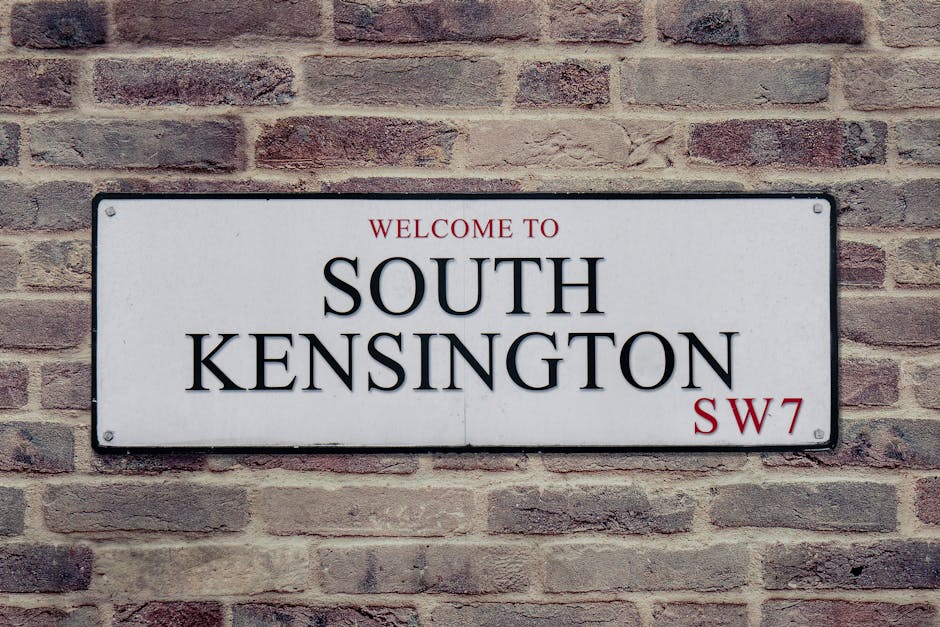
Hammersmith and Fulham Council rules for West Kensington rubbish: a practical local guide
If you live, work, or manage property in West Kensington, rubbish rules can feel a bit more complicated than they should. One missed collection, a bag left out too early, or a bulky item dumped on the pavement, and suddenly you are dealing with complaints, fines, or a very awkward conversation with neighbours. This guide explains the Hammersmith and Fulham Council rules for West Kensington rubbish in plain English, so you can handle everyday waste without guesswork.
We will look at how the system generally works, what residents and landlords need to think about, where people go wrong, and how to stay on the right side of local expectations. There is also a checklist, a comparison table, and a practical example from a typical West Kensington clear-out. To be fair, rubbish rules are not exciting. But getting them right saves time, stress, and money. And that is the sort of boring win most of us will gladly take.
- Why the rules matter in West Kensington
- How the rubbish system works locally
- Benefits of following the rules properly
- Who needs to pay attention
- Step-by-step guidance
- Expert tips for smoother disposal
- Common mistakes to avoid
- Tools, resources and recommendations
- Compliance and best practice
- Options and comparison table
- Real-world example
- Practical checklist
- Conclusion
- Frequently asked questions
Why Hammersmith and Fulham Council rules for West Kensington rubbish Matters
West Kensington sits in a part of London where space is tight, streets are busy, and waste can become a nuisance very quickly. A bag on the pavement for a few hours may not sound like much, but in a dense neighbourhood it can block access, attract pests, and create complaints almost overnight. That is why the local rules matter so much.
There is also a practical side that people sometimes overlook. If rubbish is presented incorrectly, it may not be collected. If bulky waste is dumped without arranging the right service, it can be treated as fly-tipping. And if you are a landlord, letting agent, or business owner, you may end up responsible for a mess that started as someone else's shortcut. Not ideal, obviously.
For households, the rules are mainly about keeping waste contained, sorted, and presented at the right time. For businesses, the expectations are stronger because commercial waste has its own duty of care and traceability requirements. For anyone overseeing a clearance, these basics are the difference between a smooth job and a pile of avoidable hassle.
If you are planning a larger clear-out, it is also worth understanding the wider service picture. Our services overview explains how different collection types fit together, from day-to-day household rubbish to larger one-off jobs.
Expert summary: In West Kensington, the safest approach is simple: keep waste contained, separate recyclable items where possible, do not block pavements, and use the correct route for bulky or specialist items. Small mistakes are where problems usually start.
How Hammersmith and Fulham Council rules for West Kensington rubbish Works
The system is easiest to understand if you think in layers. First comes normal household waste. Then recycling. Then larger items, garden waste, builders waste, and commercial waste. Each has slightly different expectations, even if the end goal is the same: keep the area clean and compliant.
In everyday terms, most residents need to know three things: when waste should be put out, how it should be presented, and what counts as a special item. Bags left out too early can be blown around, ripped open, or mistaken for abandoned rubbish. Recyclables mixed with general waste can reduce recycling effectiveness. And anything unusual, like a broken fridge or rubble from a flat renovation, usually needs a different handling method.
West Kensington also has the usual London access issues. Narrow roads, basement flats, mews properties, shared bins, and limited kerb space can all affect how rubbish should be managed. If you have ever tried to move a sofa down a tight stairwell on a rainy Tuesday evening, you will know exactly what I mean. It sounds simple until you are halfway through the doorway and the thing will not turn.
For domestic households, a reliable option is often domestic waste collection in West Kensington, especially when your waste does not fit neatly into the normal weekly routine. For one-off clearances, a booked collection can save a lot of waiting around.
Businesses face a slightly different picture. Commercial premises need waste handled in a way that supports record-keeping, proper disposal, and regular uplift. If that is your situation, commercial waste removal in West Kensington is often the more sensible route than trying to force office waste into domestic-style handling.
Key Benefits and Practical Advantages
Following the local rules is not just about avoiding penalties. It makes daily life easier. When waste is managed properly, you get cleaner communal areas, fewer complaints, less trip risk, and a better chance of reliable collection. That last one matters more than people think. A missed collection becomes a problem very quickly if you are dealing with shared entrances or a block of flats.
There are also financial benefits. Clear rules reduce the chance of repeat collections, emergency call-outs, or fines for abandoned waste. If you are clearing a property before sale or letting, tidy waste management helps the place present better. If you are moving out, it helps avoid disputes. If you are a landlord, it keeps turnover quicker. It all feeds into the same thing: less friction.
Another benefit is peace of mind. Waste rules can feel dull, but once you have a routine, they are easy to live with. You know where to put things, what to separate, and when to book a larger collection. That simple confidence saves time week after week.
- Cleaner pavements and shared spaces
- Lower chance of missed collections
- Reduced fly-tipping risk
- Better recycling outcomes
- Less stress for residents, landlords, and businesses
Who This Is For and When It Makes Sense
This guide is for quite a wide mix of people, and that is part of the reality of West Kensington. You may be a tenant trying to get rid of flat-pack packaging after a move. You may be a homeowner sorting out garden waste after a weekend of pruning. Or you may be an estate manager dealing with rubbish in a shared bin area that seems to refill as fast as you empty it.
It also makes sense if you are handling:
- a loft, basement, or garage clear-out
- furniture disposal after a tenancy change
- white goods and appliance removal
- builders waste after decorating or renovation
- commercial waste from a shop, office, or hospitality venue
- a one-off bulky item collection where timing matters
If you are not sure which route applies, think about scale first. A couple of black bags is a different problem from a mattress, a fridge, or a hallway full of broken shelving. Scale changes the best answer. In many cases, choosing the right collection service upfront is cheaper than trying to patch together a plan later.
For example, if you are clearing out a rented flat near North End Road after tenants leave in a hurry, the tidy-up might involve ordinary household waste, old furniture, and a couple of small appliances. In that case, a combined approach can be more efficient than several separate trips. Our furniture removal service and appliance disposal service are designed for exactly those mixed situations.
Step-by-Step Guidance
If you want the short version, the process is straightforward: sort your waste, identify anything that needs special handling, place it out correctly or book the right collection, and keep access clear. The devil is in the details, as always.
- Work out what type of waste you have. Household rubbish, recycling, garden cuttings, furniture, builders waste, electrical items, and commercial waste should not all be treated the same.
- Separate what can be separated. Cardboard, metal, green waste, and reusable items are easier to handle when they are not mixed together.
- Check whether the item is bulky or specialist. A sofa, mattress, fridge, or rubble bag will usually need more planning than standard bagged waste.
- Make sure access is realistic. If the collection point is through a basement stair, tight mews passage, or shared hallway, factor that in early. Late surprises slow everything down.
- Choose the correct disposal route. Some items suit routine collection, while others are better handled through a dedicated clearance.
- Keep waste contained until collection. Do not leave loose items where they can blow away, spill, or cause obstruction.
- Confirm timings carefully. Collection windows matter. If you miss one, the waste can sit there longer than you planned. And nobody enjoys that smell after a warm afternoon.
When the waste is from a refurbishment or building project, it is especially worth using a structured service like builders waste removal in West Kensington. Mixed construction debris is rarely worth improvising with.
Expert Tips for Better Results
One of the best habits you can build is to sort waste before you are under pressure. The worst time to decide what counts as recyclable is when the bags are already by the door and you are late for work. A little prep makes a surprisingly big difference.
Here are the tips that usually save the most trouble:
- Keep a separate box for awkward items. Batteries, cords, chargers, and small electrical bits are the things people forget until the last minute.
- Measure large items before booking. A sofa that looks manageable in the living room can become a different beast on the stairwell.
- Plan for access, not just weight. Basement stairs, narrow landings, and locked communal doors can matter as much as the rubbish itself.
- Use images if you are getting a quote. Clear photos help avoid misunderstandings. Nobody wants the "that is not what I meant" moment.
- Leave enough time for tenant or staff changes. A move-out or office refit often creates a messy overlap period.
If you are concerned about recycling and disposal standards, our recycling and sustainability approach explains the thinking behind responsible sorting and reuse wherever practical. It is not glamorous, but it matters.
And one more thing: be realistic. If the job looks too big for one person, it probably is. That is not defeat. It is just sensible planning.

Common Mistakes to Avoid
The same errors appear again and again in West Kensington. They are not dramatic. Just annoying. The kind of small mistakes that turn a simple clear-out into a drawn-out problem.
- Putting rubbish out too early. This can create obstruction and make the area look untidy for longer than necessary.
- Mixing waste types together. Once recyclable, bulky, and general waste are blended, sorting becomes harder and disposal routes narrow.
- Leaving items in communal areas without permission. Shared halls and entrances are not storage spaces, even if it feels convenient for five minutes.
- Ignoring access problems. A booked team cannot work magic through a locked gate or a staircase that is too narrow for the item.
- Assuming all waste can go with regular bins. That is how fridges, mattresses, or building debris end up causing issues.
- Choosing the cheapest option without checking compliance. Hidden costs and poor disposal practices are where cheap becomes expensive.
If you want to avoid budget surprises, take a look at how hidden fees can creep into West Kensington rubbish clearance. It is a useful reminder that not every low quote is a good deal.
One more practical point: if you are dealing with repeated delays, do not assume the issue is always the collection company. Sometimes the real problem is poor access, late booking, or unclear instructions. Annoying, yes. But fixable.
Tools, Resources and Recommendations
You do not need a complicated toolkit to manage rubbish well, but a few simple habits and resources make life easier. A phone camera, a tape measure, heavy-duty bags, labels, and a note of what you are throwing out can save time later. Not exactly thrilling kit, but useful all the same.
For recurring household waste, a basic system works well:
- one container for general rubbish
- one for recycling
- one small area for electrical or specialist items
- one plan for bulky waste or seasonal clear-outs
For larger jobs, it helps to use a provider that can handle different waste streams responsibly. If you need a broader starting point, our house clearance service is useful for end-of-tenancy situations, probate clear-outs, and whole-property sorting. For garden overgrowth and seasonal pruning, garden waste removal is usually the cleaner option than stuffing green waste into ordinary bags.
If you want to understand how the company handles compliance and due diligence, waste carrier licence and compliance is the page to review. That matters because once waste leaves your property, you still want confidence it is being handled properly.
There is also a practical side to customer experience: if you are organising payment or comparing quotes, our pricing and quotes information can help you think clearly before you book. It is better to ask one extra question than to guess and hope for the best. We have all been there.
Law, Compliance, Standards, or Best Practice
When people ask about council rubbish rules, they usually want the practical answer, but the legal side does matter. In general, residents and businesses are expected to manage waste safely, avoid obstruction, and ensure rubbish is handled by the right route. For businesses, the duty of care is more serious because commercial waste must be transferred, tracked, and disposed of correctly.
That does not mean every household needs to become a waste law expert. It does mean you should avoid casual shortcuts. Leaving waste in a way that creates a nuisance, fly-tipping items, or using an unverified collector can put you in a poor position if something goes wrong. Common-sense compliance is the goal here.
Good practice usually includes:
- using a responsible, traceable waste carrier
- keeping records or confirmations where appropriate
- separating waste types as far as practical
- not blocking pavements, access routes, or shared entrances
- handling electrical and hazardous items with extra care
If safety is part of your decision-making, our insurance and safety information is worth reading before you book any clearance. It is one of those pages people ignore until they really should not.
Practical takeaway: for most West Kensington households, the rule is simple. Keep rubbish tidy, use the right route for the right item, and do not make the street carry the cost of your convenience.
Options, Methods, or Comparison Table
Choosing the right way to deal with rubbish depends on the type of waste, the volume, and how quickly you need it gone. Here is a straightforward comparison to help you decide.
| Method | Best for | Strengths | Watch-outs |
|---|---|---|---|
| Regular household collection | Routine bagged waste and recycling | Simple, familiar, low effort | Not suitable for bulky or special items |
| Booked domestic collection | Mixed household rubbish, bags, small clear-outs | Flexible, convenient, faster than waiting | Needs correct timing and access |
| Bulky item removal | Sofas, mattresses, furniture, white goods | Better for large awkward items | Needs accurate item details |
| Builders waste removal | Renovations, decorating, rubble, mixed site waste | Handles heavier, messier loads | Must be planned carefully |
| Commercial waste removal | Shops, offices, hospitality, shared workplaces | Good for regular or documented disposal | Requires stronger compliance awareness |
In many West Kensington homes, the answer is not one method forever. It is a mix. Routine collection for normal waste, then a separate service when you finally tackle the back room or the garage. If you want a localised starting point, our local guide to rubbish removal near West Kensington Station can help you think through the practical side.
Case Study or Real-World Example
Here is a typical situation. A two-bedroom flat off Fulham Palace Road is being vacated after a long tenancy. The tenants have left several bin bags, an old bookcase, a broken chair, a microwave, and a bag of mixed cardboard from moving boxes. The landlord wants the flat turned around quickly, and the stairwell is narrow enough to make everyone sigh before they even start.
The sensible approach is to split the job into parts. The cardboard gets separated where possible. The furniture goes into a dedicated removal route. The microwave is treated as a small appliance, not ordinary rubbish. The bin bags are counted and contained, rather than piled loosely in the hallway. Access is checked before collection day, and the timing is arranged so the building is not left looking half-cleared for too long.
That kind of planning makes a real difference. The property is cleared faster, the communal entrance stays usable, and there are fewer complaints from neighbours. Nobody wants to be the person leaving a sofa wedged by the stair rail at 7.30 in the morning. Well, maybe nobody sensible.
If you are dealing with something similar, this is where services like access-aware rubbish removal in West Kensington become especially relevant. Basements and mews properties can turn a simple collection into a logistical puzzle if they are not planned properly.
Practical Checklist
Use this checklist before you put anything out or book a collection. It sounds basic, but basic is often what keeps everything smooth.
- Have I identified what type of waste I am dealing with?
- Have I separated recycling, general rubbish, and special items?
- Do I know whether anything is bulky, heavy, or hazardous?
- Is the access route clear for collection?
- Have I checked timing so rubbish is not left out too long?
- Do I need a specialist service for furniture, garden waste, or appliances?
- Have I kept communal areas clear?
- Do I have enough information to get an accurate quote?
- Have I confirmed how the waste will be handled responsibly?
- Have I planned for the possibility of delays or a second load?
If you want a more focused service route for a specific type of rubbish, these can be helpful: North End Road rubbish collection guidance, Lillie Road Estate disposal guidance, and garage rubbish clearance advice for Fulham Palace Road. Each one reflects a slightly different practical scenario.
Quick reassurance: you do not need to get every detail perfect. You just need a clear plan, good timing, and the right disposal route. That is usually enough.
Get a free quote today and see how much you can save.
Conclusion
The main thing to remember about Hammersmith and Fulham Council rules for West Kensington rubbish is that they are built around common sense: keep waste contained, avoid obstruction, use the right disposal route, and do not leave the area worse than you found it. Once you understand the pattern, it is much easier to stay compliant and avoid the little problems that turn into bigger ones.
For ordinary households, that may mean better bagging, smarter timing, and occasional help with bulky items. For landlords and businesses, it usually means being more structured about waste handling and keeping a closer eye on responsibility. Either way, a little planning goes a long way.
If you are facing a move, a refurb, or a stubborn pile of rubbish that has been sitting there a bit too long, take the calm route. Sort it properly, plan the access, and choose the right service. The street will look better, the job will feel easier, and you will probably breathe out a bit when it is all gone. Lovely, really.